+100 successful businesses in the digital world every year!

How to Rank on Google? – A Practical Guide for 2026

Reviewed by a specialist
Donald @Grow
4 minutes
How to Rank on Google

Ranking on Google is the main goal of any business or blogger who wants to increase organic traffic. But to appear on Google’s first page, simply having a website is not enough. You need a comprehensive SEO strategy that combines quality content, technical optimization, and online authority.

In this guide, we’ll look at the key steps that help you rank higher in Google’s results.

Google Ads advertising and social media management for your business.

1. Understanding SEO (Search Engine Optimization)

SEO is the process of optimizing a website so that Google and search engines can better understand it, making it easier to rank for important keywords. It is divided into three main categories:

  • On-Page SEO (on-site – content, keywords, heading structure).
  • Technical SEO (speed, mobile-friendliness, sitemap, indexing).
  • Off-Page SEO (backlinks, social signals, website authority).

Read this article to understand what SEO is.


2. Keyword Research

Everything starts with choosing the right keywords.

  • Use tools like Google Keyword Planner, Ahrefs or Ubersuggest.
  • Focus on keywords with good search volume but medium or low competition.
  • Don’t forget long-tail keywords (long and specific phrases), which usually bring in high-quality traffic.

Example: Instead of targeting just “shoes,” target “women’s sports shoes 2026.”

Keyword Research Example

The image above is an example of keyword research for “plumber Tirana”


3. On-Page Optimization

  • SEO Title (Title Tag): Include the main keyword and make it compelling.
  • Meta Description: Provide a clear summary (150–160 characters).
  • Heading structure (H1, H2, H3): Organizing your content helps both users and Google.
  • Use of images and alt text: Optimizing images speeds up the page and helps SEO.
  • Internal linking: Link articles to each other for easier navigation and greater authority.
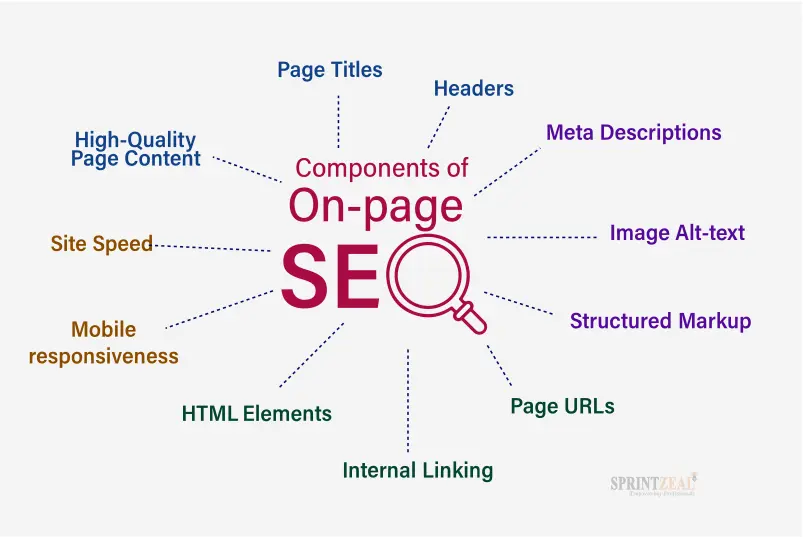
On-Page SEO Optimization
On-Page SEO Elements

4. Technical SEO

Google prefers pages that are fast and optimized.

  • Make sure the website is mobile-friendly.
  • Improve loading speed by using tools such as Google PageSpeed Insights.
  • Use SSL certificate (https://).
  • Add an XML Sitemap and one robots.txt properly configured.
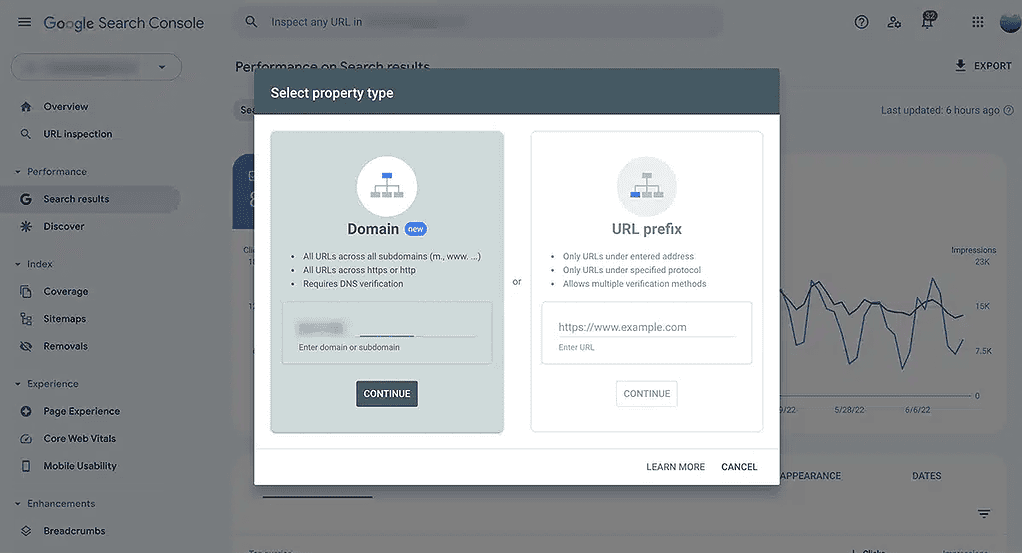
  • Check the reports in Google Search Console for indexing errors.

First, you need to connect your website to Search Console, read the article on how to connect your website to Search Console.

Grow.al digital marketing agency with SEO, Google Ads, social media, web design, and development services.

5. Create Valuable Content

Google always favors content that serves the user.

  • Write long, detailed articles (1,000+ words).
  • Answer the questions people often ask on Google.
  • Use multimedia (images, infographics, videos) to make it more engaging.
  • Regularly update your existing content.

6. Building Authority (Off-Page SEO)

  • Earn backlinks from trustworthy and relevant websites.
  • Write guest posts on other blogs.
  • Share your content on social media for greater exposure.
  • Build a online brand strong (name, logo, social media presence).
Building an Online Brand

7. Monitoring & Analysis

  • Use Google Analytics and Google Search Console to see which pages bring in the most traffic.
  • Analyze CTR (Click-Through Rate) for titles and improve them where necessary.
  • Regularly test changes (A/B Testing) to see what works best.

Conclusion

Ranking on Google is not a quick process – it requires time, work, and strategy. But by following these steps and investing in quality content, your website is very likely to rise in the top results and bring you more visitors and customers.

In Albania, there are also marketing agency SEO-specialized marketing agencies such as Grow.al that can help you through this process.

Google search for SEO, Google Ads, social media, web design, and website development.
Share

Request a website audit

Enter your website URL to request a free audit.

Free Consultation